


Tech & Data
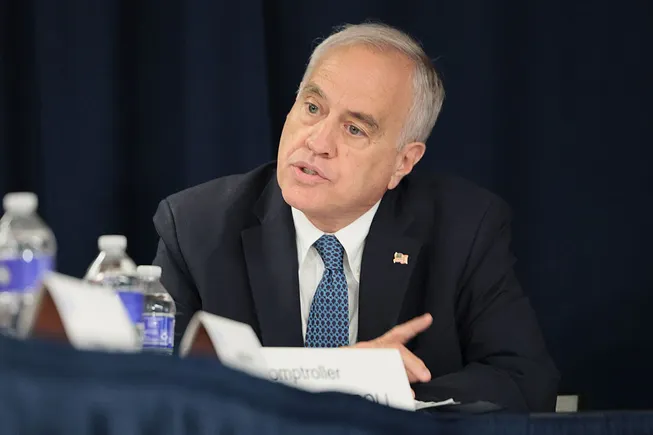
The New York State Comptroller's Office released a follow-up audit report on August 27, indicating that New York City has made some progress in artificial intelligence governance, but multiple areas still require improvement. The report states that the NYC Office of Technology and Innovation has only partially implemented the three recommendations from the 2023 audit, and has not yet completed key tasks such as AI tool approval requirements, data quality assurance, and accuracy and bias monitoring.

Local government departments are numerous and functions are dispersed, and residents often struggle because they are unclear about which department to contact. Today, AI virtual assistants are changing this situation: Mari in Maricopa County can answer questions about adopting pets across websites, while DC Compass in Washington, D.C., can search thousands of datasets and generate maps. These tools not only serve residents but also assist internal government decision-making, making data access more equitable and convenient.
To help residents cope with fragmented municipal websites, multiple U.S. cities and counties have launched AI virtual assistants. Tools such as Mari in Maricopa County and DC Compass in Washington, D.C., support natural language queries, provide conversational responses, links, and maps, and integrate cross-departmental data to streamline access to public services.
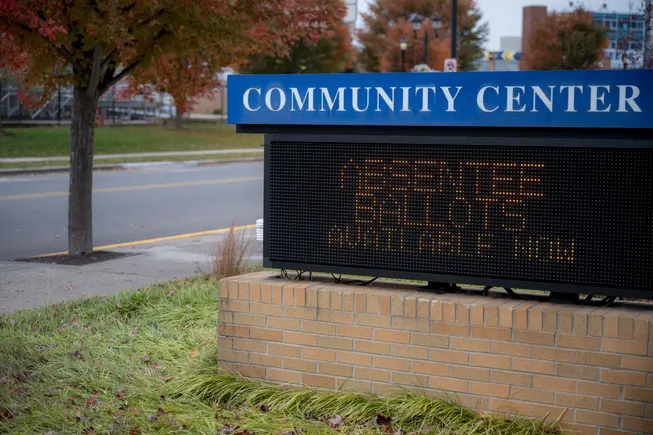
Kitcast's 2026 Digital Signage Industry Report shows that local government digital signage has a median update cycle of 7.5 days, leading most industries, but 28% of content remains outdated for over a year. The report recommends that cities and counties increase interactive service content, such as wayfinding and wait times, to enhance public experience.

As automated cyber attacks such as AI-driven ransomware and sophisticated network injections become increasingly rampant, U.S. state and local governments are shifting from "can we trust AI" to "how to use AI for defense." According to the 2026 NASCIO survey, 23 states have already used AI for cybersecurity operations, and another 21 states plan to follow suit within 12 months. California, New Jersey, and other places have taken the lead in deploying AI real-time monitoring and threat intelligence platforms to narrow blind spots and accelerate response. The author of this article, Tim Miller (Field CTO at Dataminr), points out that governments need to build digital fortresses with real-time, trustworthy AI intelligence, protecting public trust while safeguarding data.