


Library

Smart Cities Dive Trendline on Smart Cities Dive 2023 Outlook
This article outlines four trends that may affect urban decision-making in 2023: transportation and mobility adjustments under economic pressure, redesign of downtowns and streets, the practical impact of federal funds, and local government innovation in emissions reduction and housing policies.

The Smart Cities outlook for 2026: Pressure points for city leaders
2026 is a year of challenges and transformation for city managers: tight fiscal budgets, insufficient affordable housing supply, intensifying climate-related risks, aging infrastructure, and some cities also facing compliance pressures from federal immigration enforcement and other administrative directives. Meanwhile, emerging technologies such as artificial intelligence are rapidly penetrating transportation, public safety, and urban planning, enhancing efficiency while also raising concerns about privacy, equity, and security. The most visible manifestation of technological evolution is on the streets—the number of autonomous taxis is surging, and Los Angeles may see the first air taxi flight within the year. However, local leaders are investing more effort in less conspicuous but more fundamental issues: accelerating housing construction through zoning and regulatory reforms, and legal battles over the recovery of federal resilience and clean energy funds. 2025 had no dull moments, and the pace of change in 2026 will only accelerate. The following is a compilation of Smart Cities Dive's outlook on this year's trends.

[Podcast] Key trends in urban mobility transformation
With the surge in remote work, many companies have abandoned downtown headquarters, leading to profound shifts in how residents live, work, and travel. This three-part podcast series addresses the challenges and opportunities of urban mobility transformation, drawing on recent case studies, with a focus on how electric vehicles are reshaping city transportation, the anticipated impacts of the 2028 Olympics on Los Angeles, and an assessment of New York City's congestion pricing policy.
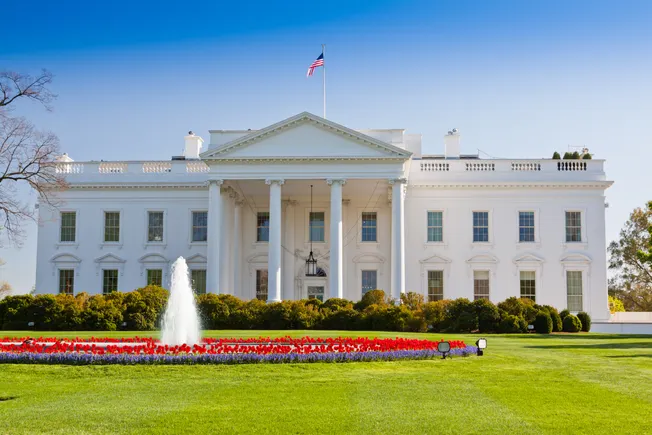
The Smart Cities Outlook for 2025: Change is coming
In 2025, the new U.S. administration and Congress will reshape urban policies, with technologies like AI, autonomous driving, and electric vehicles rapidly penetrating, while housing, homelessness, and climate issues continue to exert pressure. City leaders must seek balance amid change; this article gathers insights from officials, executives, and researchers.

US cities’ outlook for 2024
In 2024, U.S. cities will continue to evolve on the path toward sustainability, safety, and equity, but face challenges such as intensified climate disasters and financial difficulties in public transit. This article synthesizes multiple viewpoints to outline key points to watch in the new year.