


Deepseek
来自我们记者的行业洞察

Zipline and Alphabet's Wing, two giants in the drone delivery sector, announced significant service capability upgrades earlier this month, aiming to expand scale and reach more customers. Wing expects its network to handle millions of deliveries by mid-2024, while Zipline plans to achieve annual flight volume exceeding that of most airlines by 2025. However, experts say achieving these goals requires not only substantial investment but also progress in operational efficiency, regulatory breakthroughs, and public acceptance.
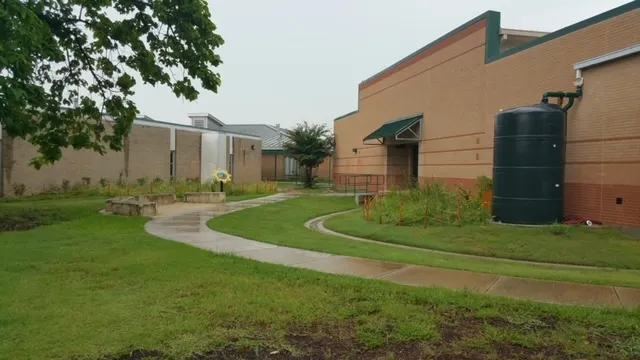
Facing frequent extreme weather, U.S. cities are re-examining the role of nature-based solutions such as trees and rain gardens in climate adaptation. Advocates say these measures offer both cost-effectiveness and multiple social and health benefits. Austin has adopted ordinances to protect native trees and promote green stormwater infrastructure, and the federal government has also released a roadmap to advance their adoption.
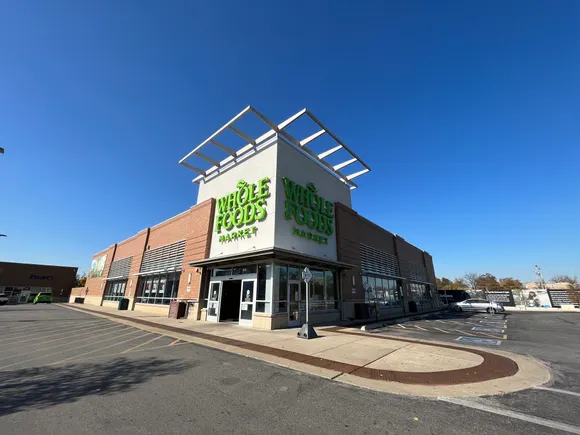
Whole Foods Market closed its store in Chicago's Englewood community at the end of 2022, a decision that sparked strong backlash from local officials and community leaders. Based on a review of community residents, officials, and industry observations, this article analyzes the full process from the store's high-profile opening to its quiet closure, and explores the lessons that large supermarket chains should learn when serving low-income communities.
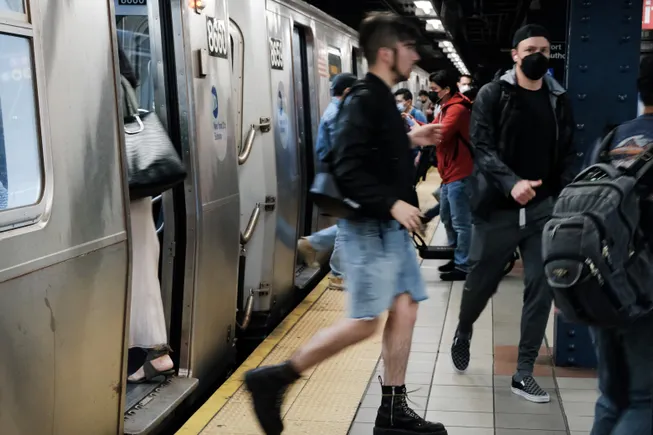
U.S. public transit ridership has recovered to 70% of pre-pandemic levels, but some agencies still face a fiscal cliff. In 2023, several agencies may raise fares or cut services while addressing issues such as labor shortages and rising crime. This article reviews the response measures of major agencies and expert opinions.
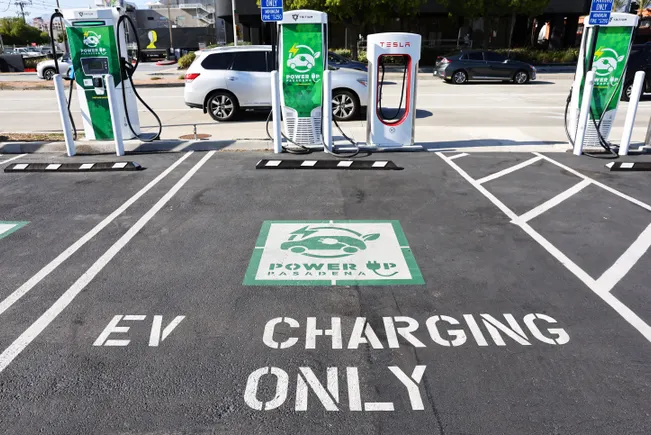
The share of electric vehicles in new car sales in the U.S. has risen from about 2% in 2020 to over 6% in the third quarter of 2022. Industry experts believe that 2023 may bring the industry close to a 'tipping point,' but the implementation details of federal incentive policies, the progress of charging network construction, and grid connection bottlenecks remain major challenges.
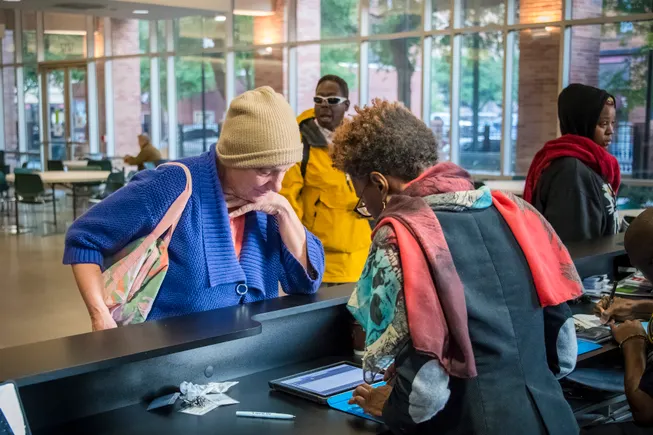
The Houston area, relying on limited public resources, has used a centralized data system to guide its 'Housing First' strategy, reducing homelessness by 63% since 2011. This article analyzes its data collection, decision-making mechanisms, and the challenges faced.
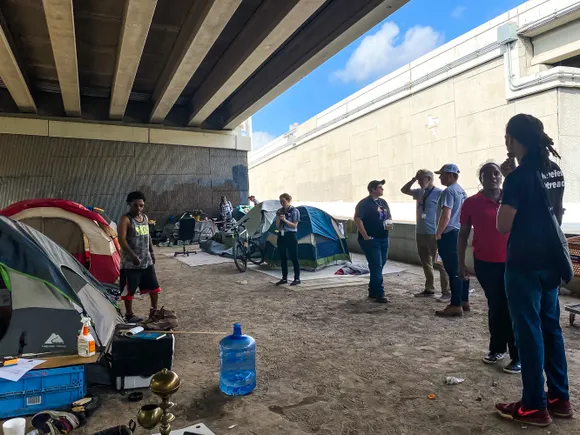
Since 2012, Houston has adopted a strategy combining Housing First with coordinated care, integrating multiple resources through the unified care system "The Way Home," significantly reducing the homeless population. This article analyzes its success factors, implementation challenges, and lessons for other cities.

Houston has adopted the 'Housing First' model, reducing homelessness by 63% since 2011, making it a model among major U.S. cities. The approach emphasizes rapidly providing permanent housing supplemented by voluntary support services, but faces challenges such as rising housing costs and limited housing availability. Based on multiple interviews and reports, this article examines its success factors and implementation difficulties.

Amid the withdrawal of large chains and the desertification of community food access, independent grocery stores founded by Black entrepreneurs are emerging across the United States. They focus on healthy organic foods, introduce cashierless technology, or build ethnic food e-commerce platforms, striving to fill market gaps while rebuilding community food sovereignty and intergenerational legacy.

San Francisco and Seattle have addressed public restroom shortages through municipal leadership and nonprofit-driven approaches, respectively. Data shows the United States has only 8 public restrooms per 100,000 people, far below Iceland's 56.