


Deepseek
来自我们记者的行业洞察
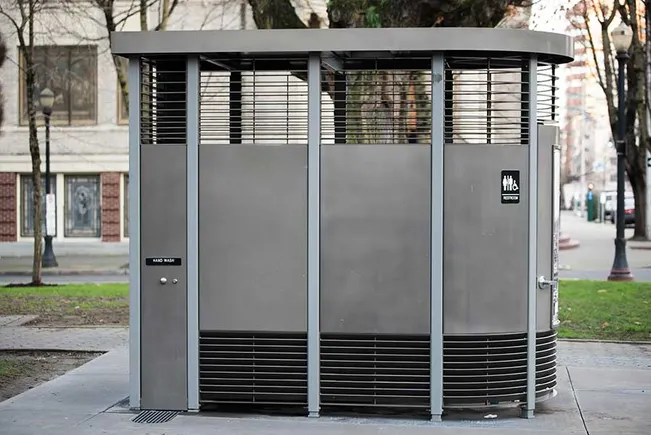
Many American cities face a shortage of public toilets, with Philadelphia having only 4 toilets per 100,000 people, far below Madison's 35. This article examines cases in Philadelphia and Washington, D.C., to explore how cities address this challenge through installing standalone public restrooms and increasing maintenance staff, and analyzes historical context, social impacts, and future planning.
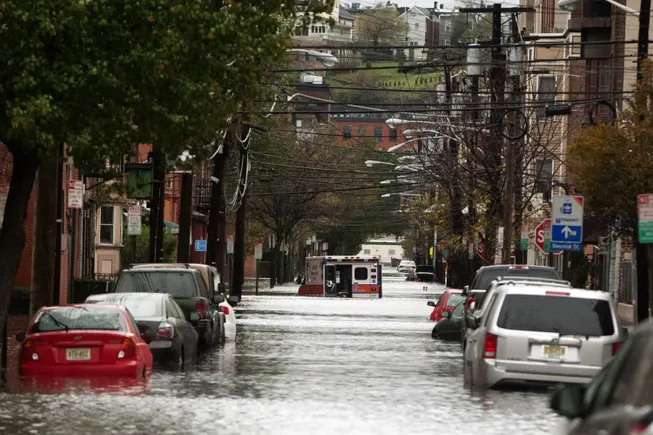
This article explores the phenomenon and actual impact of emergency declarations issued by multiple U.S. cities on issues such as climate change and housing crises. Using Hoboken, multiple cities in Minnesota, and San Diego as examples, it analyzes how declarations drive specific policies, funding, and accountability, and points out that many challenges remain in moving from rhetoric to action.
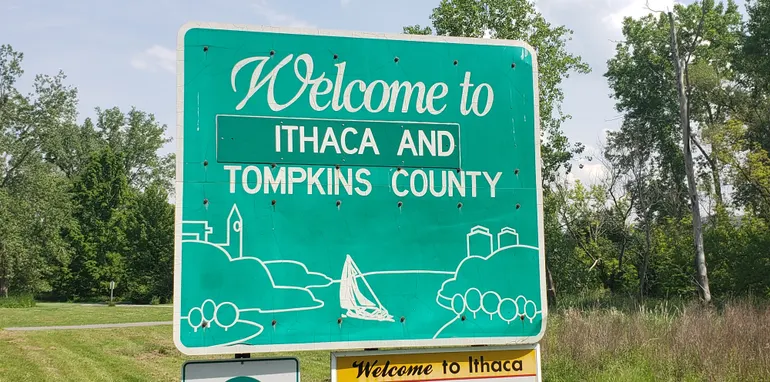
Last year, the city of Ithaca announced a comprehensive decarbonization plan targeting the electrification of 6,000 buildings by 2030. The city, in partnership with BlocPower and Alturus, leverages approximately $105 million in private funds, using securitization to reduce upfront costs, and plans phased implementation. The project faces challenges such as labor shortages and grid upgrades, but it has the potential to serve as a blueprint for other cities.
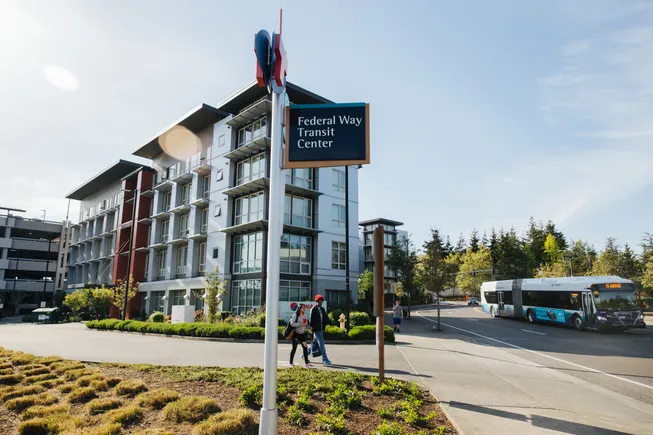
Transit-oriented development (TOD) is becoming a key strategy for U.S. cities to tackle declining ridership and housing shortages. Seattle's Sound Transit is using surplus station space to build affordable housing; Atlanta's MARTA is advancing mixed-use development at the Bankhead station while needing to guard against gentrification risks. The federal government is also providing funding support through pilot programs.
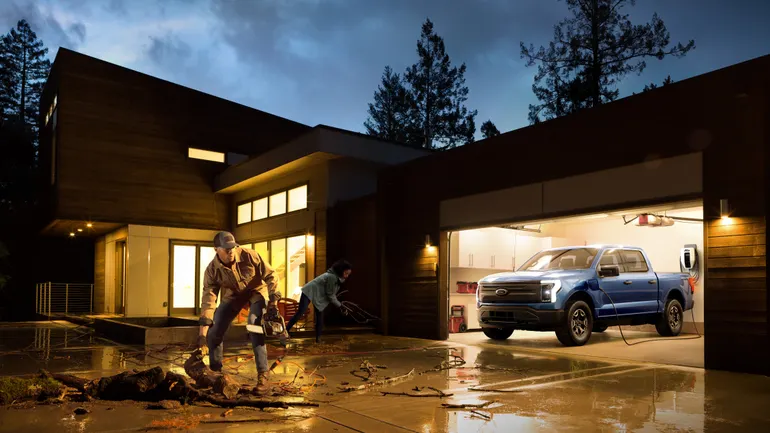
At the 2022 CES exhibition, traditional automakers such as General Motors, BMW, and Hyundai intensively released electric vehicle models, marking a new stage in the electric vehicle market. Although Tesla still holds a first-mover advantage, traditional automakers, relying on brand heritage, cost control, and a deep understanding of consumer needs, are attempting to overtake competitors in the rapidly expanding electric vehicle field. Based on the views of multiple industry experts, this article analyzes the strategies and challenges of traditional automakers in areas such as marketing tactics, brand positioning, supply chain management, and emerging channels (such as the metaverse).

During the pandemic, American seniors have maintained social connections through technologies such as virtual centers, and local governments and nonprofit organizations are working to bridge the digital divide to address the physical and mental health harms of loneliness.
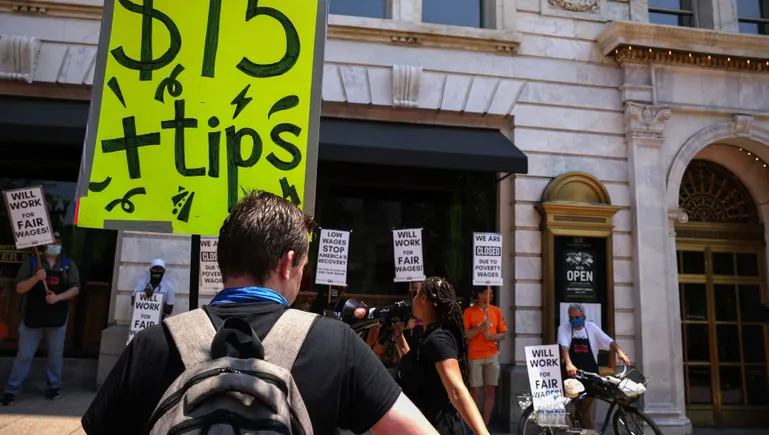
Living wage ordinances have been implemented in multiple U.S. cities, covering only businesses with government contracts, but their greatest impact may be in shaping public opinion, paving the way for the current movement to raise the minimum wage.
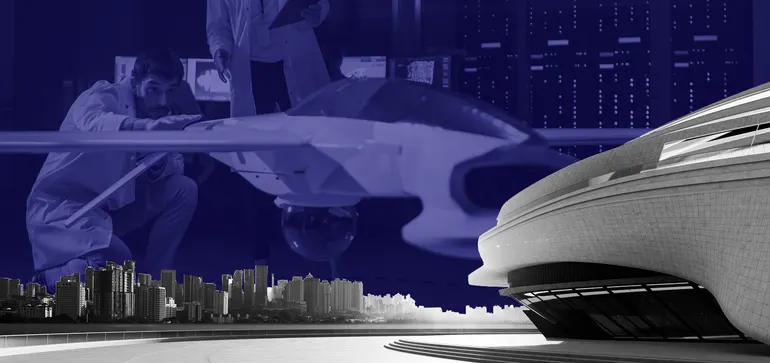
As flying taxis, hyperloop, and autonomous driving technologies accelerate, multiple U.S. cities have begun crafting transportation plans for the coming decades. However, while pursuing new technologies, balancing improvements to existing transportation systems and equity has become a challenge for decision-makers.