


Deepseek
来自我们记者的行业洞察
Smart city leaders predict that over the next five years, greater emphasis will be placed on digital equity, anti-racism, and fairness, using data-driven decisions and community engagement to address urban challenges, but funding shortages and resident trust remain major obstacles.

Facing the housing affordability crisis, multiple cities are turning their attention to basement spaces. However, extreme weather intensified by climate change adds extra challenges to this strategy. After Hurricane Ida, New York City reflected on basement safety issues, with pilot projects progressing slowly; Chicago, Boston, and other places are exploring the legalization of accessory dwelling units (ADUs) while needing to address flood risks. All parties are seeking a balance between safety and housing supply through policy adjustments, insurance innovation, and risk assessment tools.

Five years ago, the smart city movement was obsessed with 'grand visions' such as autonomous vehicles and flying cars, but many city leaders now admit that this technology-first approach ignored residents' real needs and even exacerbated the digital divide. The pandemic became a turning point, prompting cities to refocus on equity, privacy, and essential services. Through case studies of cities like Portland, San Francisco, Boston, and Denver, this article reveals how smart cities have transitioned from an 'arms race' to a pragmatic, people-centered transformation.

The concept of smart cities is undergoing profound transformation. Leaders from 15 major U.S. cities share their latest definitions of smart cities, emphasizing a people-centered, data-driven, and equitable approach rather than mere technology deployment.
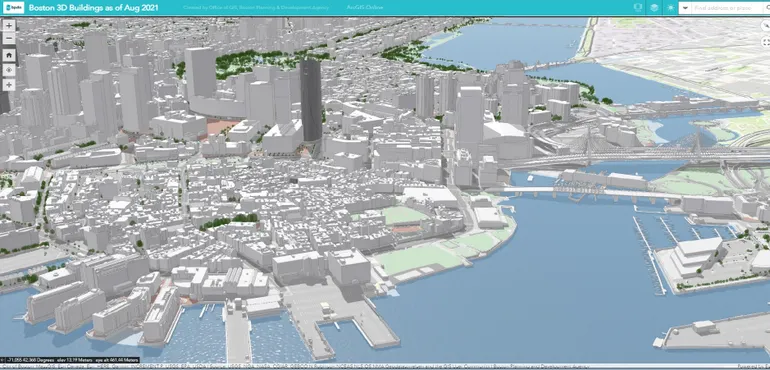
Digital twins, as 3D virtual replicas of the physical world, are increasingly being used by cities for planning rehearsals. Boston has been building a city model since 2015, Chattanooga uses real-time data to optimize traffic signals, and cities like New York and Las Vegas focus on building decarbonization. However, data maintenance, privacy, and cost remain major obstacles.
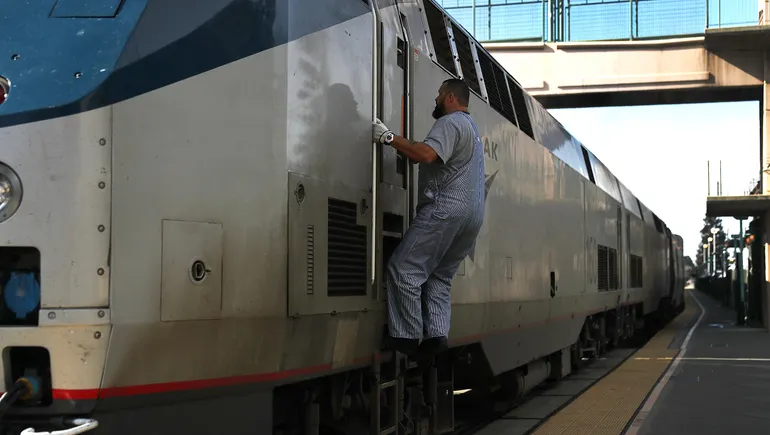
Amtrak proposes adding more than 30 new routes and improving service on at least 20 existing routes by 2035, but whether the plan can be realized depends on whether Congress passes the $1 trillion infrastructure bill.
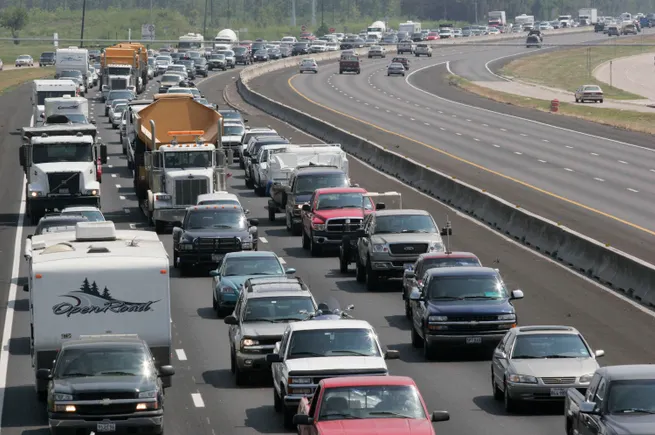
The pandemic has driven some urban residents toward private cars, leading to a surge in new car registrations in places like New York, while public transit ridership remains persistently low. Urban planners and experts are exploring ways to balance travel efficiency and sustainability goals through road redesign, promotion of shared mobility, and infrastructure investment.
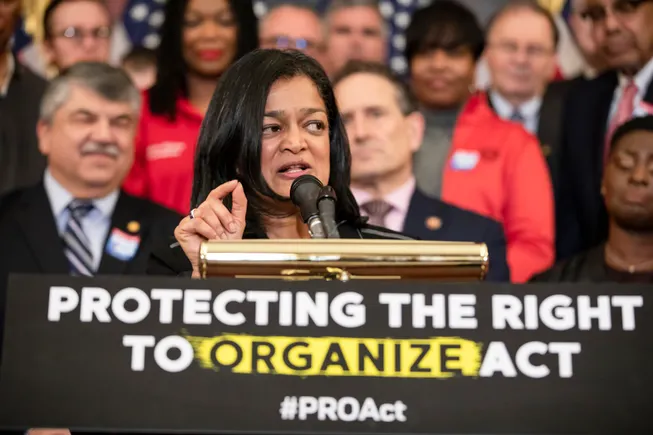
As a significant proposal in U.S. labor legislation, the PRO Act is sparking widespread discussion. The bill aims to amend multiple laws, including the National Labor Relations Act, by expanding the definition of employee, overturning state 'right-to-work' laws, and increasing penalties for violations to strengthen union organizing capacity. Supporters argue it would promote workers' rights and racial economic justice, while opponents worry it would disrupt the franchise model and small businesses. Based on Senate hearing testimonies and expert analysis, this article systematically interprets the bill's ten potential impacts.
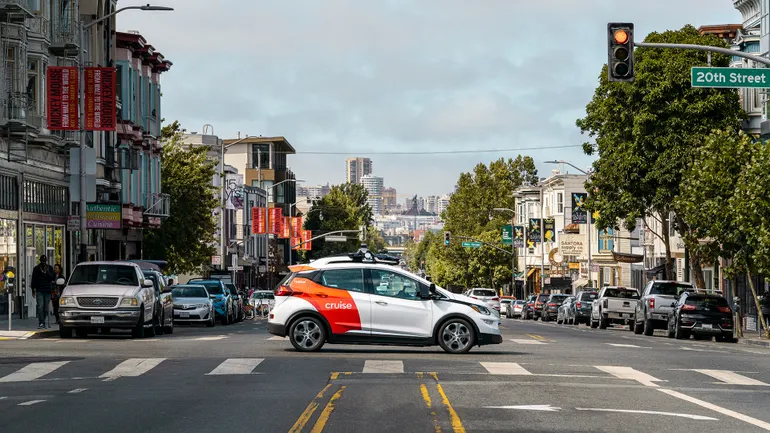
Cruise, under General Motors, is about to launch California's first autonomous passenger service pilot open to the public, initially offering free rides to passengers. The pilot was authorized by the California Public Utilities Commission (CPUC) in June and only permits autonomous vehicles with a capacity of fewer than 15 passengers. The industry widely focuses on data collection, public acceptance, and regulatory metrics during the pilot, believing that its success or failure will influence the subsequent promotion and commercial deployment pace of autonomous driving technology.