


Latest news
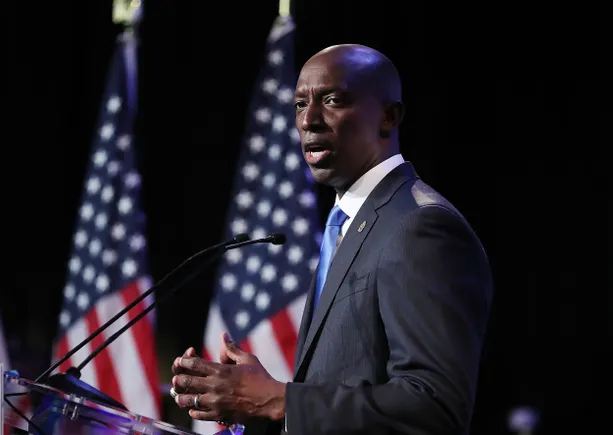
Six cities, including Lawrence, Indiana, have been selected for the National League of Cities' Health and Well-being Accelerator project, which uses cross-sector collaboration and data-driven strategies to address health inequities such as life expectancy gaps.

Urban underground projects produce large quantities of clean soil, but most is transported outside the city for disposal, while the city also needs to purchase fill dirt at high prices. Since 2013, New York City has established the first clean soil bank in the United States, matching soil producers with soil users to enable reuse within the city, saving approximately $16 million over three years and significantly reducing transportation and emissions. This article analyzes its operational mechanism, practical results, and pathways for expansion.
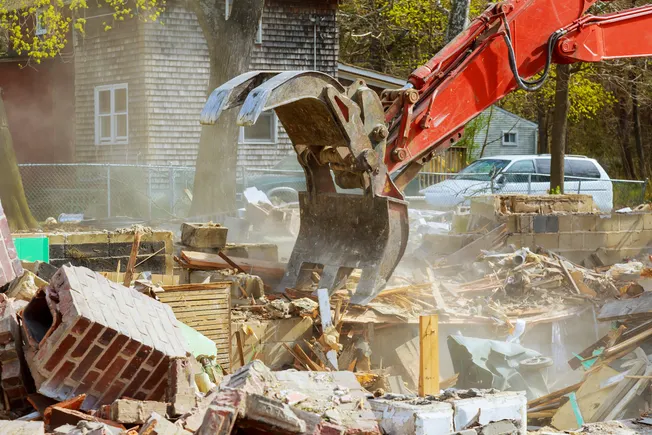
The housing crisis is not just a supply shortage, but a continuous loss of existing affordable housing. In 2024, over 21 million homeowners faced severe cost burdens. LISC President Michael T. Pugh writes that new construction alone cannot solve the problem, and home maintenance and property protection need to be incorporated into core housing policies. Detroit, Jacksonville, and other places have developed scalable models.

Federal funding has not disappeared, but the rules for accessing it have changed. Local governments misled by headlines and giving up on applications will miss critical opportunities. This article analyzes funding flows, competition key points, and compliance requirements, pointing out that success hinges on aligning project narratives with administrative priorities.

Mega-events and large-scale activities are often regarded by cities as transformative opportunities, but beyond economic gains, the hidden costs may include residents' living expenses, housing pressures, and a loss of trust. Drawing on cases such as the 2026 Super Bowl, the 2034 Salt Lake City Winter Olympics, and the 2026 World Cup, this article analyzes transparency and accountability mechanisms in event preparation and proposes three practical recommendations to help cities maintain public trust while pursuing growth.
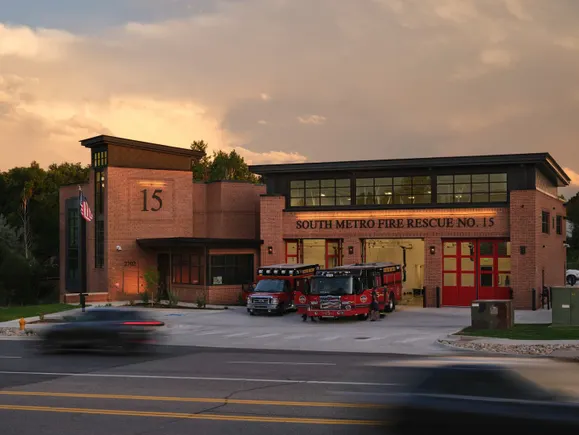
This article examines fire station design from an operational perspective: in the face of growing medical-related calls and occupational health risks for firefighters, fire station planning should transcend traditional architectural thinking and become a systematic investment supporting emergency response, health protection, and long-term training capabilities. Using South Metro Fire Rescue Station 15 in Colorado as an example, it illustrates the design principles of modern fire stations and three key considerations for local decision-makers.
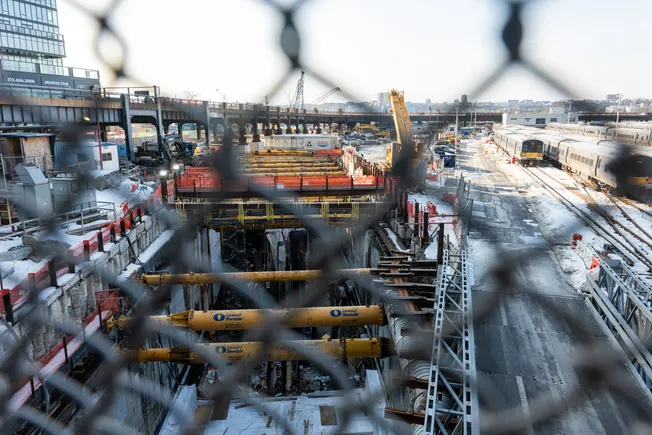
From the Hudson Tunnel to California High-Speed Rail, large public infrastructure projects in the United States commonly suffer from cost overruns and schedule delays. This article contends that governments should provide financing support through tools such as credit leverage rather than directly building and operating projects, using private capital discipline and market mechanisms to enhance project performance.

Life expectancy gaps among U.S. communities can reach 30 years. Researchers developed a "Universal Basic Community" model, which evaluates community health assets based on 35 indicators and was piloted in two Louisville communities to promote equitable distribution of health resources and improve overall life expectancy.
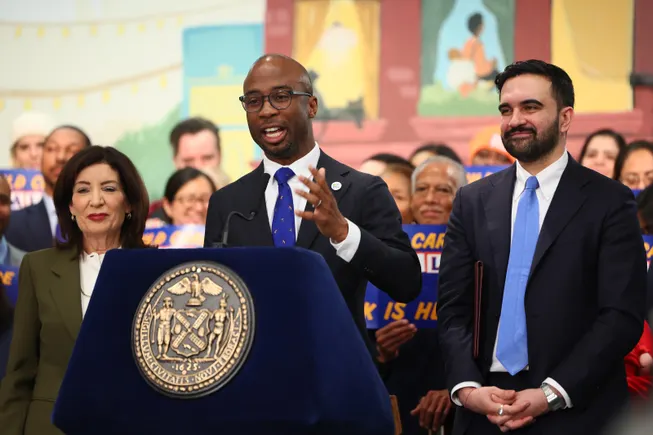
Kamal Samuels, the new chancellor of New York City public schools, spoke with K-12 Dive about his plans to raise academic rigor and educational equity, including promoting NYC Reads and NYC Solves, replacing gifted programs with IB curricula, communication strategies for school mergers, and sharing best practices across districts.
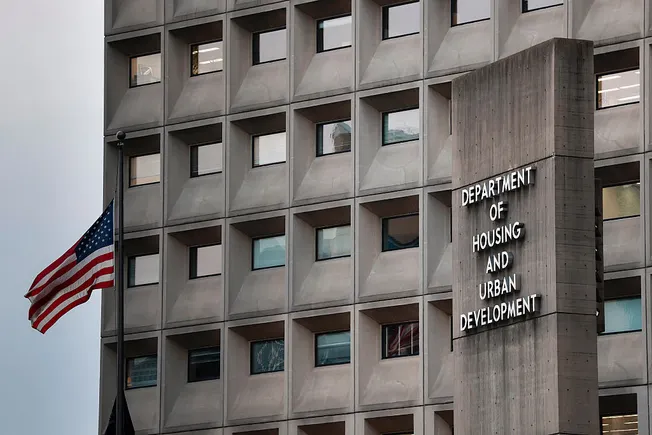
HUD is appealing a December ruling that temporarily blocked the Trump administration's plans to drastically change its homelessness programs. The agency announced the appeal in a press release on Tuesday. The overhaul could affect tens of thousands of people who receive housing through its Continuum of Care grant program. HUD seeks to cut most permanent supportive housing funding, redirecting it toward temporary transitional housing with work requirements and mandatory addiction and mental illness treatment. On March 2, the agency filed an emergency motion to pause the ruling, but it was denied by the court. On Monday, HUD requested the First Circuit Court of Appeals to stay the injunction.