


Latest news
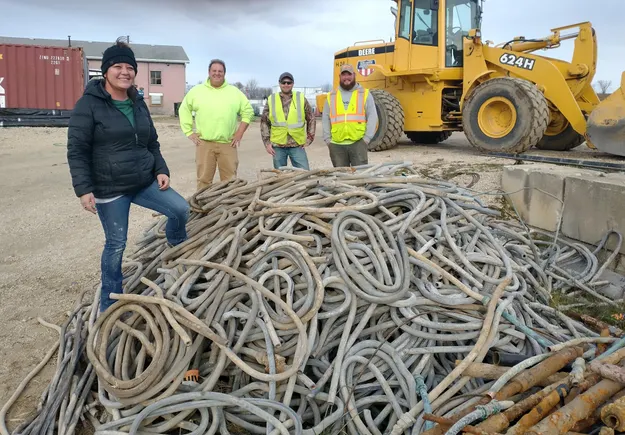
Smart Cities Dive announces the opening of nominations for the 2026 Public Service Awards, honoring outstanding individuals driving local impact. Nominations are free, with a deadline of March 31, 2026. The awards continue the "American Cities & Counties Outstanding Public Service Awards" following the merger of AC&C with Smart Cities Dive, and also preview the Community Projects Awards opening in June.

The U.S. federal Low Income Home Energy Assistance Program (LIHEAP) received approximately $4.05 billion in funding for fiscal year 2026, an increase of $20 million from 2025, despite the Trump administration's attempts to eliminate its funding. Another weatherization assistance program also received a small funding increase, but related expansion legislation is still awaiting a vote in the House of Representatives.

2026 is a year of challenges and transformation for city managers: tight fiscal budgets, insufficient affordable housing supply, intensifying climate-related risks, aging infrastructure, and some cities also facing compliance pressures from federal immigration enforcement and other administrative directives. Meanwhile, emerging technologies such as artificial intelligence are rapidly penetrating transportation, public safety, and urban planning, enhancing efficiency while also raising concerns about privacy, equity, and security. The most visible manifestation of technological evolution is on the streets—the number of autonomous taxis is surging, and Los Angeles may see the first air taxi flight within the year. However, local leaders are investing more effort in less conspicuous but more fundamental issues: accelerating housing construction through zoning and regulatory reforms, and legal battles over the recovery of federal resilience and clean energy funds. 2025 had no dull moments, and the pace of change in 2026 will only accelerate. The following is a compilation of Smart Cities Dive's outlook on this year's trends.
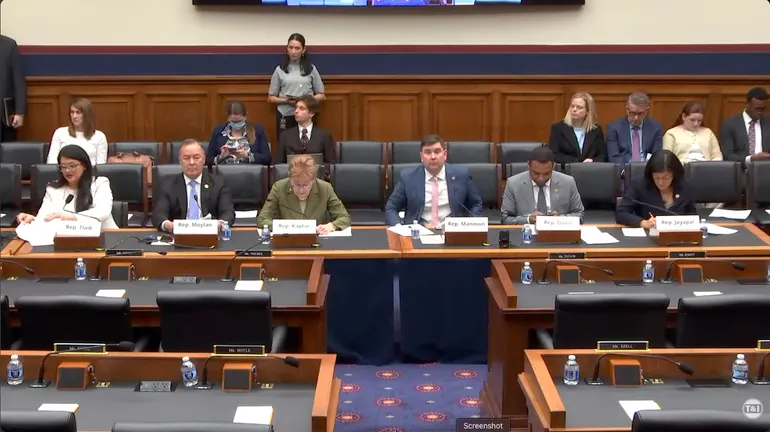
With the Infrastructure Investment and Jobs Act expiring on September 30, the U.S. Congress is beginning work on the next multi-year surface transportation authorization bill. Amid political polarization, whether bipartisan consensus can be reached and signed by the president remains uncertain. This article, through interviews with lawmakers, state officials, and transportation experts, outlines possible directions for the new bill, covering core issues such as funding priorities, financing sources, grant allocation methods, and the legislative timeline.

A federal judge ruled on Monday that 27 New Jersey towns lack standing in their lawsuit challenging the state's affordable housing law. The ruling marks another failure in the legal challenge led by the local group 'Local Leaders for Responsible Planning.' Housing advocates welcomed the decision, viewing it as a victory for advancing housing affordability in the state.
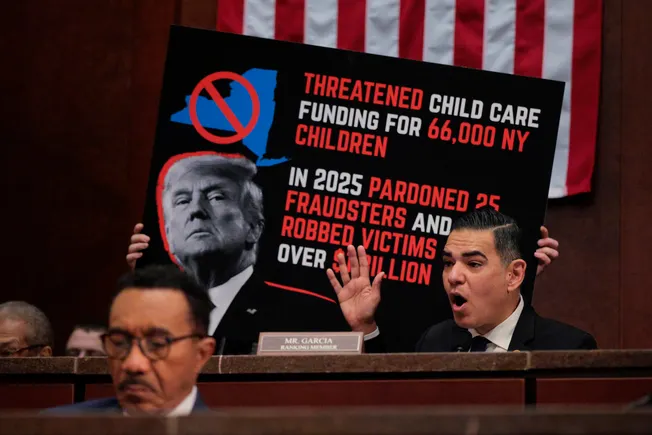
A federal judge's temporary restraining order against the Trump administration's freeze on over $10 billion in family assistance funds for five states expires this Friday, leaving local counties, cities, and aid agencies facing an uncertain financial outlook. The five states—California, Colorado, Illinois, Minnesota, and New York—filed a lawsuit on January 8 in response to the freeze announced by the U.S. Department of Health and Human Services on January 6. Clare Sanford, vice president of government relations at the Minnesota Child Care Association, said the funding freeze has caused "quite a bit of confusion and fear" locally.
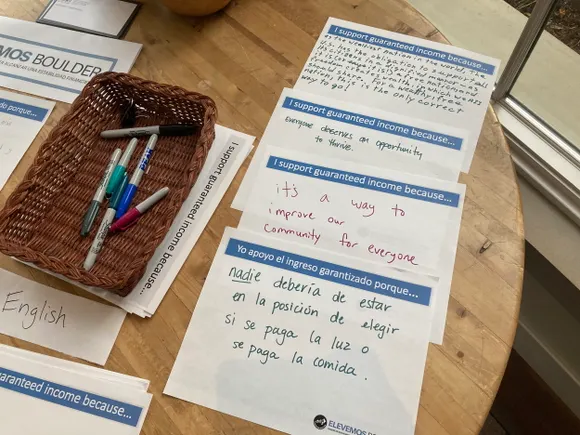
More than 150 cities in the United States have successively launched unconditional basic income pilots over the past five years. Experts and program managers say these projects have shown clear results in meeting basic needs like housing and food and improving mental health, but their impact on long-term financial security is still unclear. Evaluation reports from Boulder, Colorado, and Minneapolis both indicate that a monthly stipend of $500 did not significantly change recipients' employment status or long-term economic stability. Meanwhile, some cities have expanded their programs, and Cook County, Illinois, has become the first county government to establish permanent funding for unconditional basic income.

With the surge in remote work, many companies have abandoned downtown headquarters, leading to profound shifts in how residents live, work, and travel. This three-part podcast series addresses the challenges and opportunities of urban mobility transformation, drawing on recent case studies, with a focus on how electric vehicles are reshaping city transportation, the anticipated impacts of the 2028 Olympics on Los Angeles, and an assessment of New York City's congestion pricing policy.
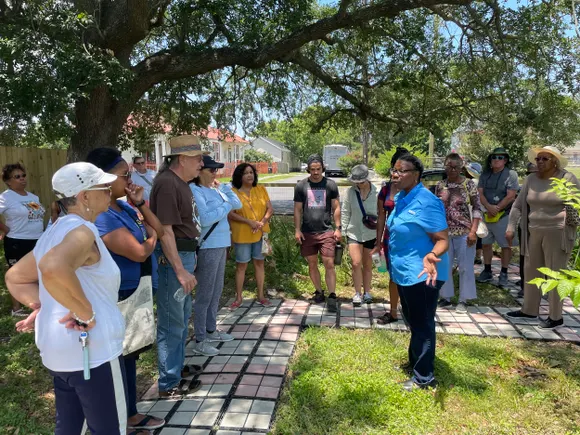
In 1719, the year after New Orleans was founded, it was hit by Mississippi River flooding. Over the following 300 years, the city relied on engineering measures to cope with hurricanes and floods. In 2005, Hurricane Katrina exposed the flaws in the levee system, prompting the federal and state governments to invest nearly $15 billion in rebuilding. However, subsidence occurred soon after the system was completed, and in 2019, the U.S. Army Corps of Engineers warned that it might not withstand a 100-year storm. Today, green infrastructure such as rain gardens and native vegetation planting is being integrated into the city's flood control strategy, working alongside gray infrastructure as a key to enhancing resilience.