


Latest news
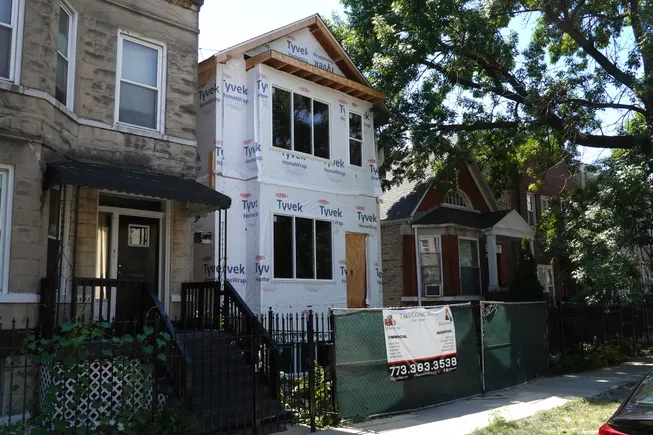
Illinois city leaders balked at statewide housing reforms. A Realtors group wants to work with them.
Illinois Realtors last week launched the Illinois Housing Supply Accelerator Program, a partnership initiative aimed at helping local governments identify and remove barriers to housing development. The program follows the shelving of a statewide zoning reform bill championed by Gov. JB Pritzker, which faced strong opposition from the Illinois Municipal League. Illinois faces a deficit of 142,000 homes and needs to build 227,000 units over the next five years to meet demand.
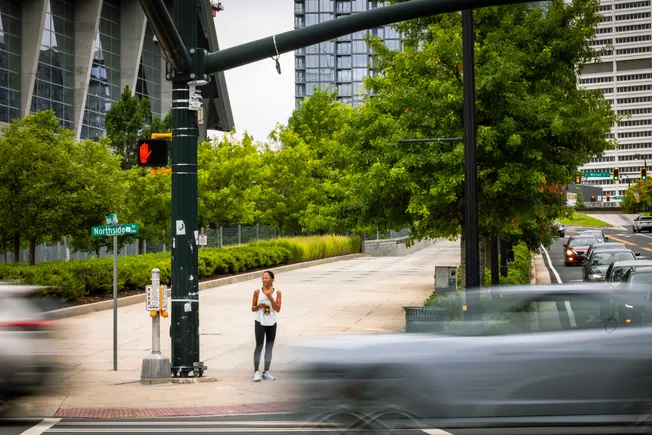
The Utah Department of Transportation has selected Econolite to install Ouster's lidar-based traffic management technology at 160 intersections statewide, expanding a prior 2025 partnership. The system aims to improve safety for pedestrians, cyclists, and other vulnerable road users through real-time signal adjustments.
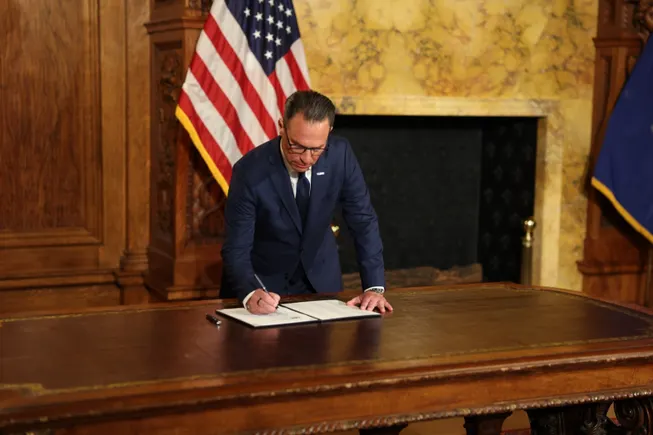
Pennsylvania Governor Josh Shapiro signed an executive order on Tuesday implementing the Governor's Responsible Infrastructure Development (GRID) Standards, which impose new requirements on data center developers. The rules mandate community outreach, detailed footprint reports, minimum investments of $250 million, creation of 200 prevailing-wage construction jobs, and compliance with clean energy and environmental standards. Developers must also pay for incremental electric capacity and are barred from using nondisclosure agreements. The order also removes data centers from the Fast Track permitting program and disqualifies non-compliant developers from sales tax exemptions. Shapiro acted after the state Senate declined to take up legislation codifying the standards.

Tesla appears close to launching its purpose-built Cybercab robotaxi service in Austin, Texas, with employee rides first, according to The Information. The company has begun manufacturing the two-seat vehicle and adding Starlink connectivity.

Four local governments sued the U.S. Department of Homeland Security on Monday over new FEMA grant conditions that require states and localities to alter election procedures to receive full public safety funding. The lawsuit, filed in federal court, contends the requirements exceed agency authority and threaten anti-terrorism preparedness.
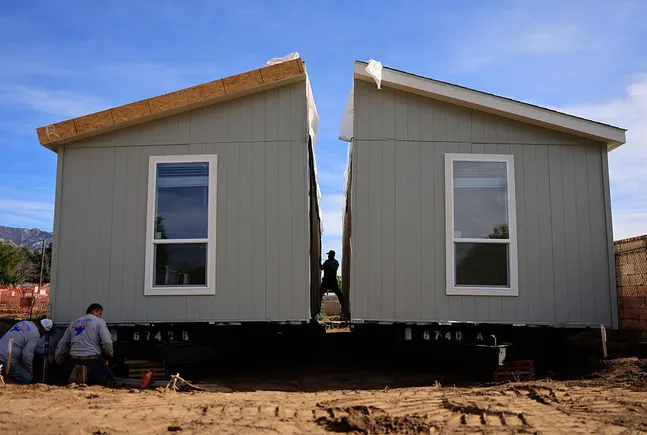
Los Angeles County saw a record number of accessory dwelling unit completions in 2025, yet total housing production declined and the region still lags its 2029 state housing target, per a new report from the USC Lusk Center.
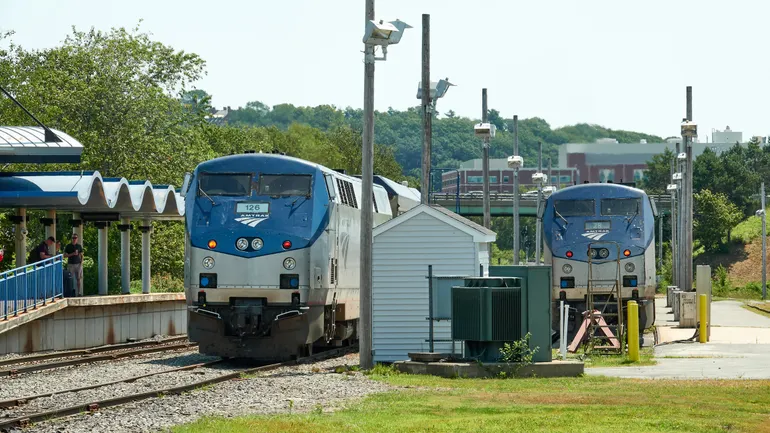
The Federal Railroad Administration announced $5.3 billion in safety grants on Friday, funding 41 projects in 23 states and new Amtrak trains. Amtrak will receive $2.05 billion for 43 new passenger train sets and $140 million for locomotive repairs. Approximately $3.2 billion goes to highway-rail grade crossing improvements, bridge repairs, station upgrades, and other projects.

The Seattle City Council voted 8-0 to ban rental 'junk fees' such as administrative service charges, pet rent, and package fees. The ordinance mandates clear upfront pricing, expands investigative authority, and allows the City Attorney to recover triple damages. It applies to rental agreements entered after July 1, 2027, and aligns with broader national scrutiny of rental fee transparency.
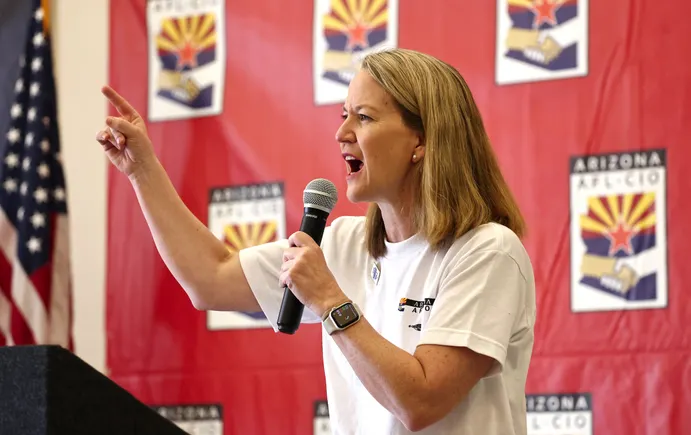
Arizona Attorney General Kris Mayes sued owners and managers of three affiliated apartment complexes in Tucson for allegedly failing to provide adequate air conditioning, with indoor temperatures reaching 98.9°F during extreme heatwaves. The lawsuit, filed Aug. 7, seeks a temporary restraining order and preliminary injunction. Mayes and State Sen. Lauren Kuby have introduced a bill to require indoor temperatures in rental housing not exceed 82°F or fall below 68°F during extreme cold. Similar actions are emerging in Washington, D.C., and Los Angeles.

The California High-Speed Rail Authority may run out of money by December 2027 if it cannot borrow against expected cap-and-invest revenues, according to a July 31 report from the Office of the Inspector General. The report criticizes the authority's optimistic assumptions and highlights potential higher borrowing costs and unlikely federal funding.