


Latest news
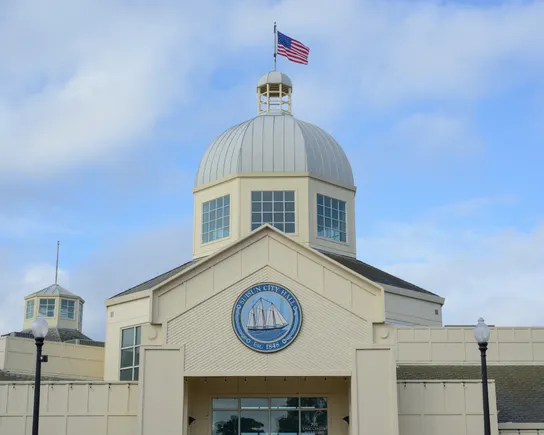
Suisun City, California, was forced to shut down all IT networks due to a malware attack, affecting critical public safety operations such as 911 routing and police and fire dispatch. The city council declared a state of emergency, and Governor Newsom subsequently launched an AI cyber defense initiative.
In response to recent cyberattacks on U.S. water systems, experts have proposed five key protective measures: strengthening account security, developing emergency response plans, isolating non-essential industrial control systems, joining threat intelligence sharing networks, and establishing government-enterprise contacts in advance. The article cites insights from multiple industry experts, emphasizing the importance of basic security configurations and proactive defense.
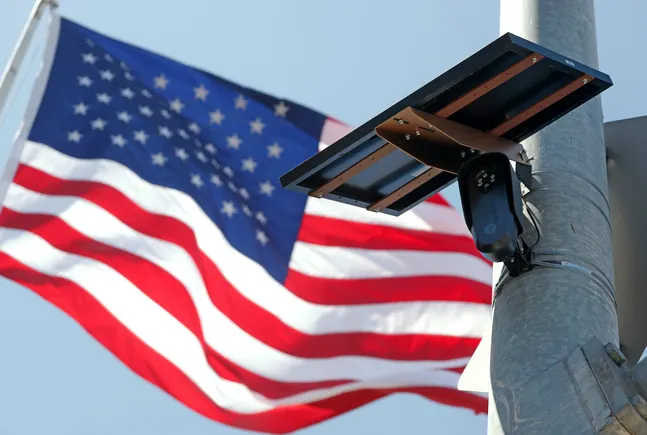
Connecticut Governor Ned Lamont called on Friday for a pause on the installation of automatic license plate recognition cameras and requested that the state's Police Officer Standards and Training Council develop guidelines within 30 days. This move follows residents' privacy concerns, with more than 50 cities and counties nationwide having terminated partnerships with Flock Safety.

Municipal fleets are the backbone of daily urban services, yet their availability is often overlooked. This article analyzes the cascading impacts of fleet downtime, explains the strategic value of preventive maintenance, and proposes three major strategies: standardized maintenance, optimized inventory management, and enhanced preventive parts management. Additionally, the article introduces how WIX Filters, with 85 years of filtration technology experience, coverage of over 17,000 applications, and fleet survey programs, helps municipal agencies improve fleet reliability and operational resilience.
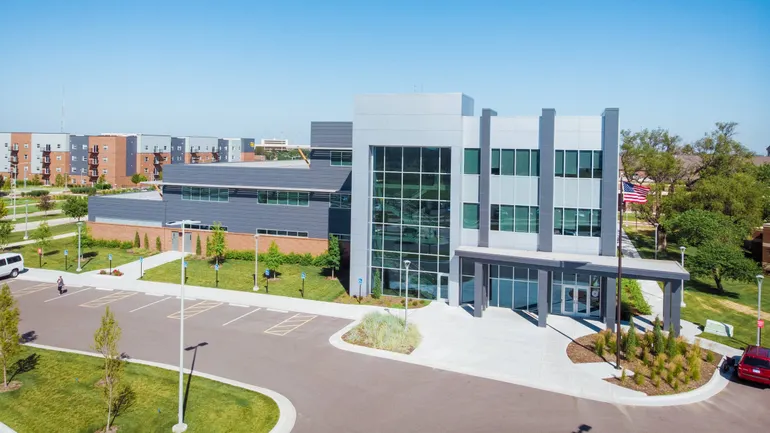
American cities face challenges in recruiting skilled workers, modernizing government, and cultivating the next generation of public servants, yet they often overlook local universities as key partners. This article uses the collaboration between Wichita State University and local law enforcement as an example to show how universities can improve recruitment efficiency, promote public safety, and create practical opportunities for students through applied learning and community collaboration.

The U.S. Court of Appeals for the District of Columbia Circuit ruled on Tuesday to block the Trump administration from revoking $20 billion in climate grants. The court held that the EPA's actions to terminate and recover the grants may violate the Inflation Reduction Act.

On July 7, a structural failure occurred during the renovation of the former Pfizer building in Manhattan, prompting the New York City Department of Buildings to issue stop-work orders on multiple office-to-residential conversion projects. Experts say that while such heightened inspections are a routine response, the scale and scope this time are unprecedented and could slow project progress and drive up costs.

The U.S. Federal Bureau of Investigation (FBI) issued a notice on July 30 stating that malicious cyber actors have targeted programmable logic controllers (PLCs) in water and wastewater treatment systems across at least seven states, with some attacks degrading water treatment operations. Minnesota's IT services department confirmed on July 31 that over 30 community water systems in the state suffered malicious cyber activity; Michigan reported on August 1 that nine of its water systems were attacked, but all remained safely operational. The FBI and the Cybersecurity and Infrastructure Security Agency (CISA) recommend that water agencies disconnect PLCs from the internet, enable password protection, and restrict remote access.

Faced with persistent drought and water stress, direct potable reuse (DPR) is gradually gaining attention in the United States. Despite the technology's reliability, the label "toilet-to-tap" has hindered its adoption. Now, cities like El Paso are advancing DPR implementation, with public engagement and education becoming key.

Accessible pedestrian signal rollout in Chicago ahead of targets, but technical gaps persist: report
The independent monitoring report indicates that Chicago installed more accessible pedestrian signal (APS) devices in the first year than required by the court, but all inspected intersections had technical compliance issues. The report recommends improvements in documentation, public reporting, personnel training, and defect correction.