


Latest news

The U.S. Department of Energy acknowledged in court filings on July 15 that the cancellation of 223 clean energy project grants (totaling $7.6 billion) in 2025 was based entirely on the political identity of the recipients' states, i.e., whether they were blue states supporting Harris. The document was first reported by The New York Times on July 24, sparking strong protests from Democratic lawmakers and environmental groups.
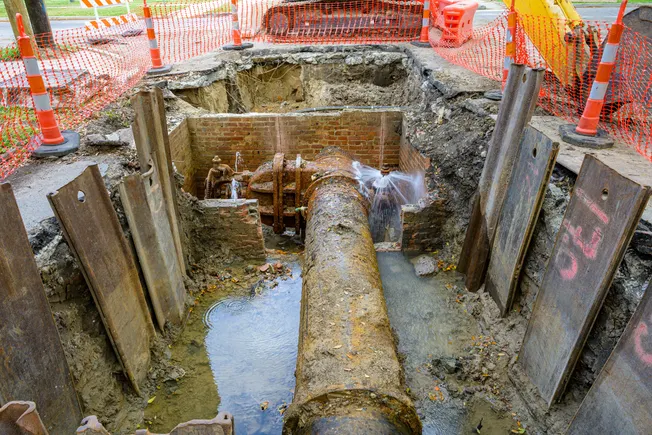
On July 17, the U.S. Senate introduced a bipartisan bill proposing to replace the fixed percentage allocation method of the EPA Clean Water State Revolving Fund (CWSRF) with a needs-based formula. Based on 2022 data, the new formula would result in 31 states seeing funding remain flat or increase (up to 260%), while 19 states would see reductions (up to 53%). The bill is led by Senators Mark Kelly (D-Arizona) and Rick Scott (R-Florida) and has been referred to the Senate Committee on Environment and Public Works for consideration.
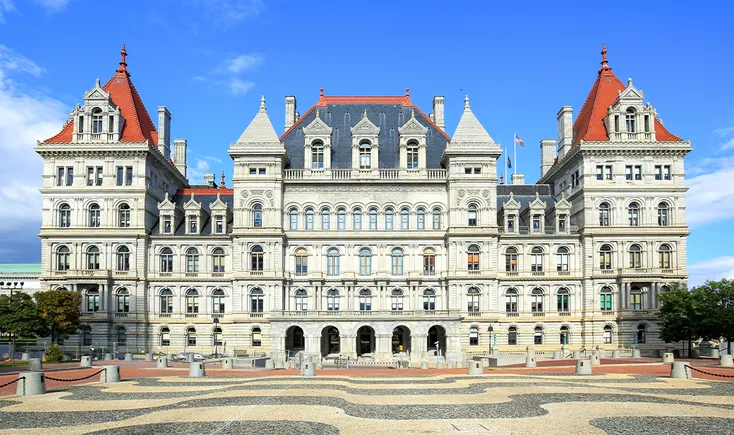
Historic buildings, as long-term public investments, face complex challenges in preservation, including material aging, water intrusion, and maintenance backlogs. Through modern roofing and waterproofing technologies, such as Siplast's applications at Fallingwater and the Mecklenburg County Courthouse, their service life can be extended without compromising architectural character. This article analyzes key issues such as moisture management and continuous operation during construction, and points out that historic preservation should be integrated into urban infrastructure strategies.
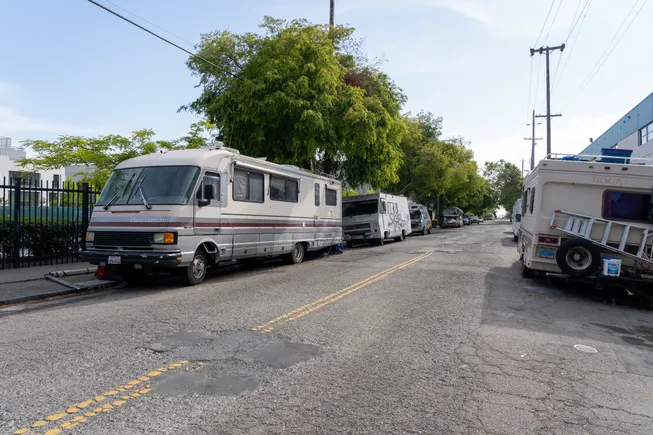
Judge Edward Chen of the U.S. District Court for the Northern District of California ruled on July 14 that a civil rights lawsuit against the City of Berkeley's procedures for clearing homeless encampments can proceed as a class action. The plaintiffs allege that the city violated constitutional protections of property during the clearing process, and that the 72-hour parking restriction potentially violates the Americans with Disabilities Act.
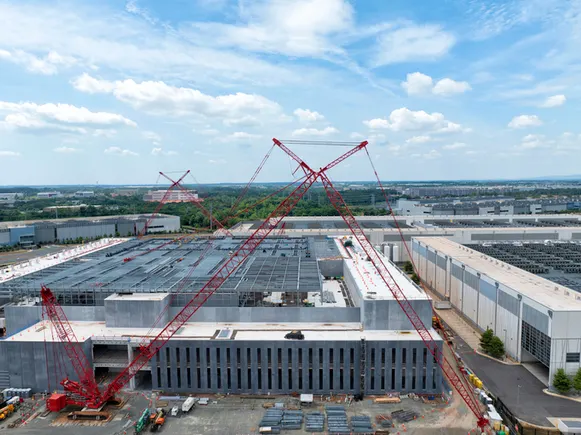
The Kansas Health Institute (KHI) has released a report revealing the rapid growth of U.S. data centers in energy and water consumption and its impacts on public health and the environment. The report shows that in 2024, U.S. data centers consumed 183 TWh of electricity, accounting for over 4% of total national electricity use, and this is expected to rise to 426 TWh by 2030. In terms of water, direct consumption was 17 billion gallons in 2023, potentially quadrupling by 2028. The report also notes that data center expansion is delaying the retirement of coal-fired power plants and exacerbating power generation capacity shortages.

The World Cup is not just a sporting event, but a national stress test for the transportation systems of U.S. host cities. In places like Arlington, Kansas City, and MetLife Stadium, innovative technologies such as smart signals, LiDAR monitoring, and temporary bus networks have moved from pilot programs to real-world deployment, effectively easing traffic pressure during the tournament. Whether these temporary solutions can be transformed into long-term infrastructure depends on whether federal policies can keep pace.

During the World Cup, tourists' first impressions are often formed outside the stadium. This article explores the relationship between community infrastructure, public spaces, and tourist experiences, and why investing in the local environment can serve residents while also preparing for future opportunities.
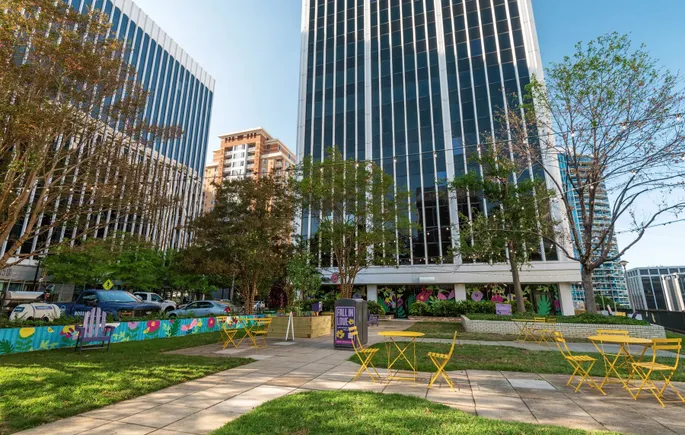
In response to the sluggish real estate market and the community's need for connected spaces, the Rosslyn Business Improvement District in Arlington, Virginia, partnered with Arlington Economic Development to transform the terrace of an idle commercial office building into a temporary 'third space'—the NOW Pop-Up Park. The park provides green space, a dog park, and event space, addressing residents' demand for outdoor gathering places and serving as a model of temporary space strategy. The article summarizes lessons in planning, regulation, BID collaboration, and maintenance, offering a reference for other cities.
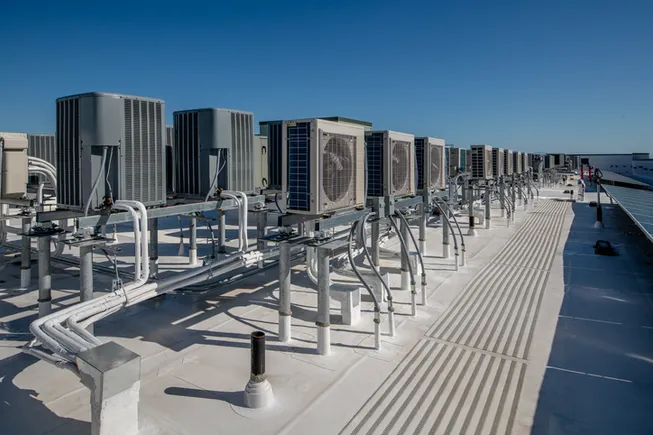
The American Council for an Energy-Efficient Economy (ACEEE) released a report on Wednesday stating that if a series of policies and reforms are implemented, the U.S. could reduce energy costs by approximately $215 billion annually, accumulating savings of $4.8 trillion by 2050. Among these, upgrades to high-efficiency heat pumps and other building equipment are major sources of energy savings, while also reducing peak electricity demand by 20%.
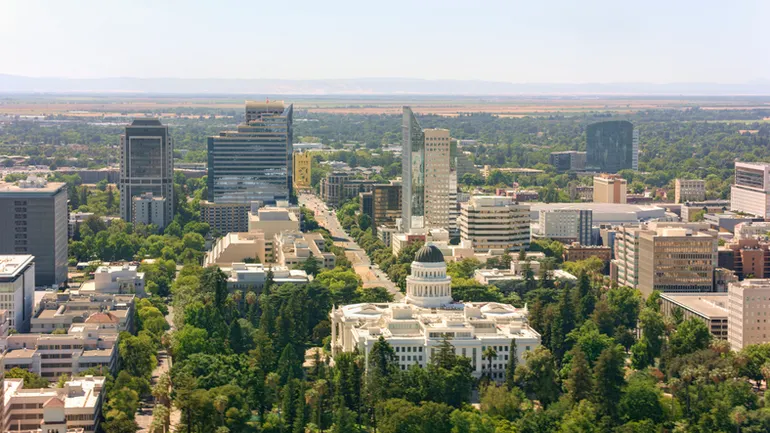
California Governor Newsom's executive order requiring state employees to work on-site at least four days a week took effect on July 1, affecting approximately 109,000 employees. Experts point out that existing office space may not meet employees' diverse needs for focus, collaboration, and social interaction, while unions and audit reports question the policy's rationale and cost-effectiveness.